Transform Your Mind and Body with the Benefits of Forest Bathing
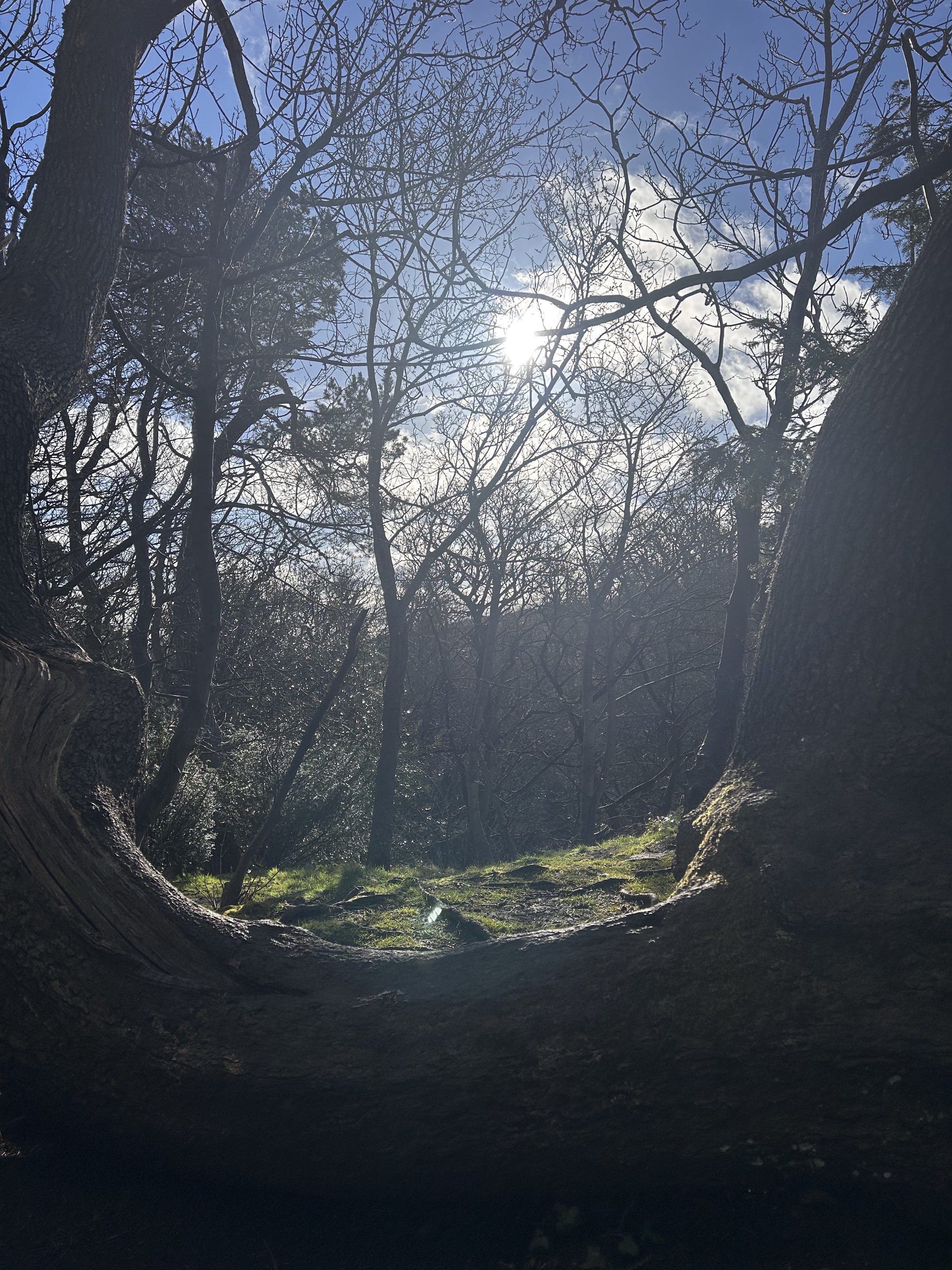
You feel the weight of the day pressing down. The noise, the rush, the endless to-do lists. You need a break. Not just any break, but one that refreshes your mind and body deeply. Forest bathing offers exactly that. It invites you to slow down, breathe, and reconnect with nature in a way that heals and energises. This is not just a walk in the woods. It is a mindful immersion that transforms your well-being.
Discover the Benefits of Forest Bathing
Forest bathing is more than a trend. It is a practice backed by science and tradition. When you step into a forest and truly engage your senses, your body responds. Stress hormones drop. Your heart rate slows. Your mood lifts. You become calmer, clearer, and more centred.
Here are some key benefits you can expect:
Reduced stress and anxiety: The natural environment lowers cortisol levels, helping you feel more relaxed.
Improved immune function: Phytoncides, natural oils released by trees, boost your immune system.
Enhanced focus and creativity: Time in nature refreshes your mind, making it easier to concentrate and think creatively.
Better sleep quality: Exposure to natural light and fresh air helps regulate your sleep patterns.
Lower blood pressure: The calming effect of the forest can reduce hypertension.
Increased feelings of happiness: Nature stimulates serotonin production, improving your mood.
These benefits are not just theoretical. They are experienced by thousands who practice forest bathing regularly. You can feel them too.

What is the Japanese concept of forest bathing?
The practice of forest bathing, or Shinrin-yoku, originated in Japan in the 1980s. It was developed as a way to combat urban stress and reconnect people with the natural world. The term means "taking in the forest atmosphere" or "forest bathing." It is not about exercise or hiking but about slowing down and being present.
In Japan, forest bathing is a prescribed health treatment. Doctors recommend it to patients to improve mental and physical health. The practice involves walking slowly, breathing deeply, and engaging all your senses. You listen to the rustle of leaves, smell the fresh pine, feel the texture of bark, and observe the play of light through branches.
This mindful immersion helps you reconnect with yourself and the environment. It encourages a gentle awareness that calms the mind and rejuvenates the body. You don’t need special equipment or training. Just a willingness to be present and open.
How to Practice Forest Bathing Effectively
You don’t have to travel far or spend hours to enjoy forest bathing. You can start with simple steps that fit your schedule and lifestyle. Here’s how to make the most of your time in nature:
Choose a quiet, natural spot: Find a forest, park, or green space where you feel safe and undisturbed.
Leave your devices behind: Turn off your phone or put it on silent. This time is for you and the forest.
Walk slowly and without a goal: Forget about reaching a destination. Move at a pace that feels natural.
Engage your senses: Notice the colours, sounds, smells, and textures around you. Touch the leaves, listen to birdsong, breathe deeply.
Pause often: Stop to observe a tree, a flower, or a stream. Sit quietly and absorb the atmosphere.
Breathe mindfully: Take slow, deep breaths. Let your body relax with each exhale.
Reflect gently: Allow your thoughts to come and go without judgement. Focus on the present moment.
Try to spend at least 20 to 30 minutes in this mindful state. The longer you stay, the deeper the benefits. You will find your mind clearing, your body unwinding, and your spirit lifting.

Why Forest Bathing Works for Your Mind and Body
You might wonder why simply being in a forest has such a powerful effect. The answer lies in how your body and brain respond to nature.
Natural chemicals: Trees release phytoncides, which have antibacterial properties and boost your immune system.
Sensory engagement: Nature stimulates your senses in a balanced way, reducing sensory overload common in urban settings.
Parasympathetic activation: Forest environments activate your parasympathetic nervous system, responsible for rest and digestion.
Reduced rumination: Being in nature lowers activity in the brain areas linked to negative thoughts and depression.
Connection and grounding: The forest helps you feel connected to something larger, fostering a sense of peace and belonging.
These effects combine to create a holistic healing experience. Your mind becomes quieter, your body more relaxed, and your emotions more balanced. This is why forest bathing is a powerful tool for mental well-being and physical health.
Integrating Forest Bathing into Your Routine
You don’t have to wait for a special occasion to enjoy forest bathing. Make it part of your regular self-care. Here are some practical tips:
Schedule weekly visits: Block out time in your calendar for forest bathing sessions.
Join guided experiences: Look for local groups or providers who offer guided forest bathing. They can help you deepen your practice.
Bring colleagues or friends: Forest bathing can be a shared experience that strengthens bonds and reduces workplace stress.
Combine with mindfulness or meditation: Use forest bathing as a setting for meditation or breathing exercises.
Create a mini forest bath at home: If you can’t get to a forest, spend time in your garden or a green space nearby.
Remember, the goal is to slow down and be present. Even short moments in nature can make a difference. Over time, you will notice improved mood, better focus, and greater resilience to stress.
Forest Bathing Scotland offers guided sessions designed to help you reconnect with nature and yourself. Their science-backed approach makes forest bathing accessible and effective for individuals and corporate teams alike.
Embrace the calm. Step into the forest. Let nature transform your mind and body. The benefits of forest bathing await you.


Comments